 We are all about trusting Jesus. We love to sing about how great is a our God. We nod in devoted agreement as our friend encourages us to, ‘keep believing.” And, we get squeamish when someone mentions how hard their family life is. More Faith!
We often associate faith with passionate prayers, faith healings, and moving choir solo’s. Those who trust do incredible and noticeable things for God. But according to the Scriptures that greatest displays of faith come during the normal moments of life. Those who are truly trusting in the sovereign rule of God are those who obey God regardless of their circumstances, who love others well, and who faithfully share the Words of God.
While Israel waited for their new king to appear, Samuel was living out the gospel. In 1 Samuel 9:15-27, we encounter one of those occasion where God peals back the edge of heaven to give us insight into his plans. He tells Samuel that Saul is coming his way by divine order. The lost donkey’s were no accident; they were a divine instrument of God designed to accomplish his will. God tells Samuel that his replacement is coming. And Samuel responds to God’s revelation with obedience, love, and proclamation.
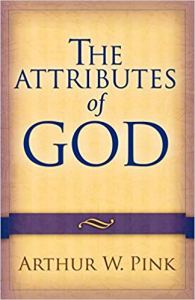 Though Saul’s inauguration would end Samuel’s political rule, crushing the Prophet’s hope for a family dynasty, he submits to God’s commands. Samuel obeys God and installs Saul as the King of Israel. Friends if we believe as A.W. Pink said, “that God is God in fact, as well as in name, that he is on the Throne of the universe, directing and working all things after the counsel of his will (Eph 1:11),” then we will obey God. We will attend church even if that means our son will go from starting point guard to professional bench warmer. We will tithe even if that means we can’t afford that new sports car or that vacation rental. We will share Christ even when our cousins and uncles mock us for being prudes. We will obey even when its costly because we understand that God reigns. We understand that God gives talent, money, and good friends. Real faith produces unconditional obedience. Those who trust God will obey God even when obedience diverges from their feelings and appears costly.
Next, Samuel loved Saul. He prepared choice food for Saul and his servant. Samuel gave the soon-to-be troublesome king lodging. Samuel cares for Saul because he knew Saul arrived by God’s design. If we share the same knowledge, we will not see the wayward children, the cranky bosses, and the annoying church member sniffing a few rows behind us as divine aberrations that must be avoided at all cost. We will not seek to drive away unpleasant people. Rather, we will love them. We will speak well of them. We will encourage them. We will bring them meals. We will pray for them. We will invite them into our homes. We will love them.
Friends this is one of the greatest signs of true faith. If our heart of stone has been replaced with a heart of flesh, we will love those who hurt our platforms, who disrupt our lives, and who set us on edge. Recall Jesus’ words in Matthew 5:43-44
You have heard that it was said, ‘You shall love your neighbor and hate your enemy.’ But I say to you, Love your enemies and pray for those who persecute you, so that you may be sons of your Father who is in heaven. For he makes his sun rise on the evil and on the good, and sends rain on the just and on the unjust. For if you love those who love you, what reward do you have? Do not even the tax collectors do the same? And if you greet only your brothers, what more are you doing than others? Do not even the Gentiles do the same?
Friends if we have faith, we will love our enemies. We will not attack those who attack us. We will love them because we realize God has placed them in our lives by his decree!
Lastly, we will share the Word of God. Samuel tells Saul all that the Lord has told him. If we trust in God, we will share his revealed Word with our friends and family. We will long to see the single-mom with the five loud kids come to faith. We will long to share the gospel with the guy who has a Mohawk, tattoos, and cutoff khaki shorts, and we will continue to share the gospel with our rebellious daughter who routinely mocks our faith. We will embrace the challenges that come with caring for a single-mom who will bring a life-time of financial struggles into our church. We will welcome the guy whose very presence will challenge our suit and tie sensibilities. And we will welcome our daughter back into our church even if that means people will talk and question our wisdom. Why? We do these things because we trust in God’s sovereignty. We trust that the gospel we hold is the same gospel that will give these and thousands of others hope. So, we preach the gospel accepting all the challenges that come with new converts.
Do we trust God? Do we obey God when obedience is convenient and inconvenient? Do we love the loveable and the unloveable? Do we share the Word of God? Do we have faith?
 The men we stick behind the pulpit of our church, place at the bottom of our bulletin, and stick int he pastors office reveal a lot about our hearts. I firmly believe that God has called local church members to wield the keys of the kingdom by overseeing member care and appointing elders and deacons. Quite often, we appoint men to church leadership because they share our worldview. We see this phenomenon take place 1 Samuel 8. The people of Israel want a king like all the nations. They want that king who is tall, handsome, and powerful because they have rejected the leadership of God. As God tells Samuel they,
 Sin looks good. If it was not so appealing, we wouldn’t find ourselves waking up with troubled consciences, seeking greater thrills, and contemplating the meaning of life through the lens of depression. As Adam and Eve discovered, sin appears to be “a delight to the eyes (Gen 3:6).” But, it always ends in divine judgment, broken relationships, and earthly hardships. And though thousands of years have passed since our forebears ate the fruit, sin still dresses in false beauty and rewards its friends with death.
 Witkowski Blog