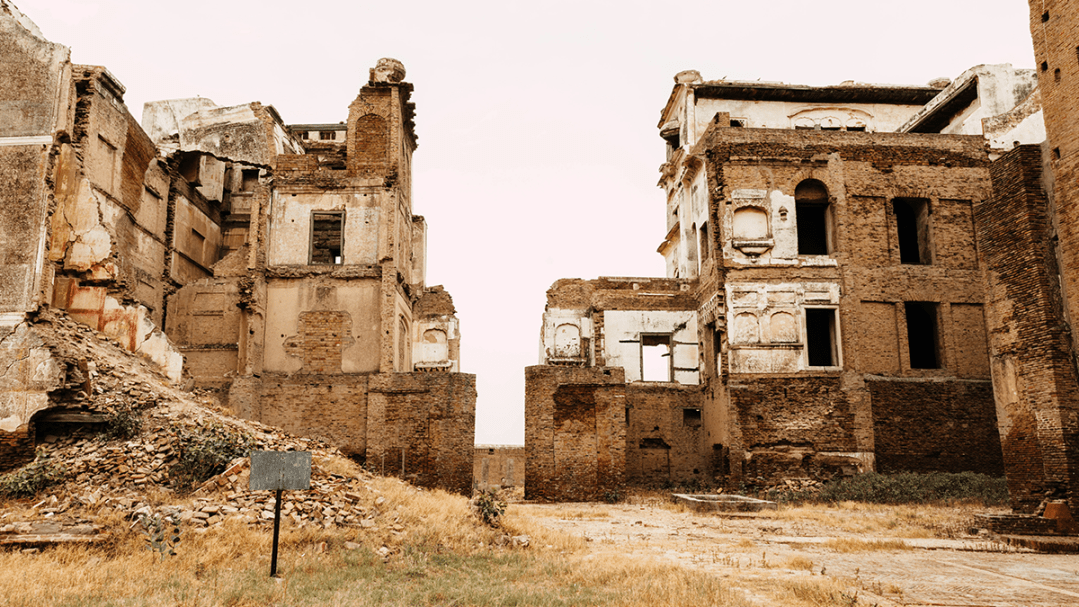
When the world of sin and darkness turns in upon itself producing horrific results, Christians should neither rejoice nor participate in such evil. Rather, they should call both those attacking and those being attacked to repentance.
Two Nations Steeped in SIn
In Amos 2, the Old Testament prophet declares that the nation of “Moab shall die amid the uproar, amid the shouting and the sound of the trumpet (2:2).” The prophet’s listeners would have readily assented to Moab’s judgement. Moab which came into existence through incest (Gen 19:36-38) was forever and always at odds with Israel. They hired Balaam of talking donkey fame to curse the Jews as they entered the promise land (albeit unsuccessfully) and kept up the attacks long after Israel became a nation. One of Israel’s first judges, Ehud, famously delivered Israel from Moabite rule when he thrust a sword into the Moabite king who was so fat that “the hilt also went in after the blade, and the fat closed over the blade (Jg. 3:22).
Though God’s declarations of doom against Moab were rather standard affairs by the end of the Judean empire, God’s justification for punishing the Moabites would have surprised Amos’ original audience. This time Moab will be destroyed for their sins against other sinners. Amos predicts that Moab will be burned with fire because it “burned to lime the bones of the King of Edom (Amos 2:1).”
Like Moab, Edom excels at persecuting the Jews. Amos chapter one records that the nation of Edom had partnered with Philistia and Tyre to betray and enslave God’s people (Amos 1:6, 9). Next, Edom took up arms and violently pursued the Jews to whom they were distantly related. The Edomites lacked compassion, loved evil, and delighted in opposing God and terrorizing the Jews. According to the prophet Ezekiel, the descendants of Esau rejoiced “over the inheritance of the house of Israel, because it was desolate (Ez 35:15).” Because of Edom’s sins, Amos reports that God “will send a fire upon Teman and it shall devour the strongholds of Bozrah (Amos 1:12).” As the prophet Joel notes, the cities of Edom would become in-turn “a desolate wilderness (Joel 3:19).” The prophet Obadiah concurs writing of Edom that it “shall be as though they never had been (Ob 16).
In short, Amos has declared that God will judge the wicked nation of Moab for having abused the wicked nation of Edom. The sin of one nation or people against another person or nation (regardless of how wicked said person or nation is) is never excusable. The Lord who rules over all will hold all to account for their sins, irrespective of their victim’s merits.
Lesson’s From The Fallen
Amos’ prophecy reveals that the proper response to Moab’s vengeance and Edom’s calamity is not rejoicing but warning. When false churches burn down, when cult leaders are murdered, or when one war lord is violently dismembered by another war lord, Christians should not sin against their enemies through misplaced rejoicing, a neglect of justice, or participation in said sins. Christians should not berate the followers of cults on X as they grieve the deaths of their loved ones. They should not turn a blind eye to the brother who murders an abortion doctor. And, they should not join those rioting because they disagree with a court’s unjust verdict. The sins of others never excuse or justify new sins, especially the sins of God’s people.
When Christians see a Muslim attacking a Buddhist, they should lovingly call both groups to repentance. They should call the one sinning to repent for God will judge their sins and hates their violence. And they should call the one being sinned against to repentance. While the attacked will not be judged for their attacker’s sins, they will still die for their sins…for their idolatry, cruel words, and rejection of the Bible. An even greater and more perfect judgement awaits all of humanity regardless of whether they are suffering or cause suffering. Anyone not covered in the saving blood of Jesus will spend eternity in hell. The suffering of the wicked should not move Christians to mock and attack the wicked when they hurt. Rather it should drive them to once again to lovingly call their lost neighbors and family members to repent lest they die.
The Wider Discussion
This response to the suffering of the wicked extends beyond Amos, aligning with the broader witness of Scripture. According to the Old Testament, God not only judges the wicked, he longs to see them saved. Decades after Amos had receded into the background, the prophet Ezekiel declared, “As I live, declares the Lord GOD, I have no pleasure in the death of the wicked, but that the wicked turn from his way and live (Ez 33:11)”
Such sentiments also align with the witness of the New Testament. When Jesus was asked about the horrific deaths of the Galileans who had their blood mixed with the blood of animals, the Messiah turned the conversation towards repentance, declaring, “but unless you repent, you will all likewise perish (Lk 13:3). Similarly, Jesus continues to delay the final judgment and the recreation of the universe because as the apostle Peter notes in 2 Peter 3:9, “The Lord is not slow to fulfill his promise as some count slowness, but is patient toward you, not wishing that any should perish, but that all should reach repentance.” While God often uses one wicked nation or person to justly punish the wickedness of another nation or person, the Lord never delights in their sorrow. He desires to see all repent.
Conclusion
When Christians see the wicked attacking the wicked, they should not rejoice in the suffering of the wicked nor share in such sins. God does not rejoice in the calamity of the wicked. Those who faithfully follow the Lord Jesus Christ will use such moments to spread the gospel and to call those walking in darkness to embrace the light of Jesus. They will love their enemies.
 Witkowski Blog