 “What do we do now,” is one of the hardest and yet most important questions that I face as a children’s pastor. A child has just made a credible profession of faith. He has joyfully affirmed that he is a sinner who has been redeemed by God’s mercy and grace through Christ death on the cross. He confesses that they are covered in Christ’s righteousness and have begun to take his first steps as a spirit filled believer. The child and his parents want this sprout of faith to turn into a solid tree. Now they are staring at me wanting to know what to do next.
Although a host of great books have been published for family worship (I encourage you to check out Marty Machowski’s Wise Up and/or Old Story New, David Helm’s Small Devotionals Big Beliefs, or Bruce Ware’s Big Truths for Young Hearts) few resources have been published to help kids develop great devotional habits. David Murray’s Exploring The Bible: A Bible Reading Plan For Kids fills this void. The 219 page book published by Crossway is a great personal devotional for kids.
What’s In The Book?
Divided into 52 chapters, the book exposes kids to the main themes of Scriptures over 365 days. Each week consists of a title, a description of the week’s theme, a brief snapshot verse that encapsulates the theme, passages to be read each day of the week, and questions designed to help kids think about what they are reading. The week ends with a scripture that helps the reader to review and with blanks for sermon notes. And engaging blue and reddish pictures help bring the stories to life as kids ponder what they have read.
Why I Like It
 The greatest feature of this book is that it points kids to the realities of faith. Kids are encouraged to write down prayers requests, to daily read the Bible, and to take sermon notes. I love that this book is allows the Bible and the church to provide the content. Instead of centering kids spiritual lives on a good secondary sources and helpful illustrations, this devotional centers kids in the Word. The Scriptures alone produce sanctification and change in our hearts. For kids to continue to grow in their faith, they must learn to value the Scriptures and how to study the Scriptures on their own (2 Tm 3:16). David Murray’s book will help believing children develop the skills needed to study the Bible and will help them realize their need to ground their lives, actions, and attitudes in the Word. Moreover, the book also has a place for sermon notes, reminding kids that they are not called to live in isolation. To grow in the faith, kids are encouraged to embrace both personal study and worship and cooperate study and worship.
Things To Consider
 While The book is a great resource, the book is not exhaustive. David Murray is seeking to provide his readers with an overview of the Bible. He skips over some historical moments, such as the Joseph narrative offering a brief explanation of what transpired. Murray does not skips over sections of the Bible because they are too hard to explain. He covers the theme of marital love in the Song of Solomon in a kid friendly manner. He skips to provide readers with a great sense of the Bible’s main themes. If you are looking for a book that will help your children read through the Bible in its entirety you will need to find another resource.
The book also lacks a table of contents. Parents will have to flip along with their children to keep up with their studies and to know what topics are coming up next.
Final Thoughts
I plan to recommend this book over and over again in the days ahead. David Murray points kids back to the Bible, using the Bible to provide children with a comprehensive understanding of the themes and purpose of God’s Word. Young believers seeking to grow in their faith and to develop a healthy devotional life will greatly benefit from this book.
If you have a kid who is looking to start doing personal devotions, I encourage you to place a copy of Exploring The Bible in their hands.
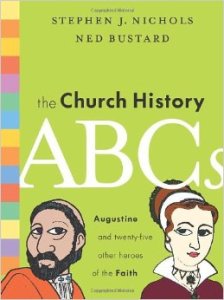
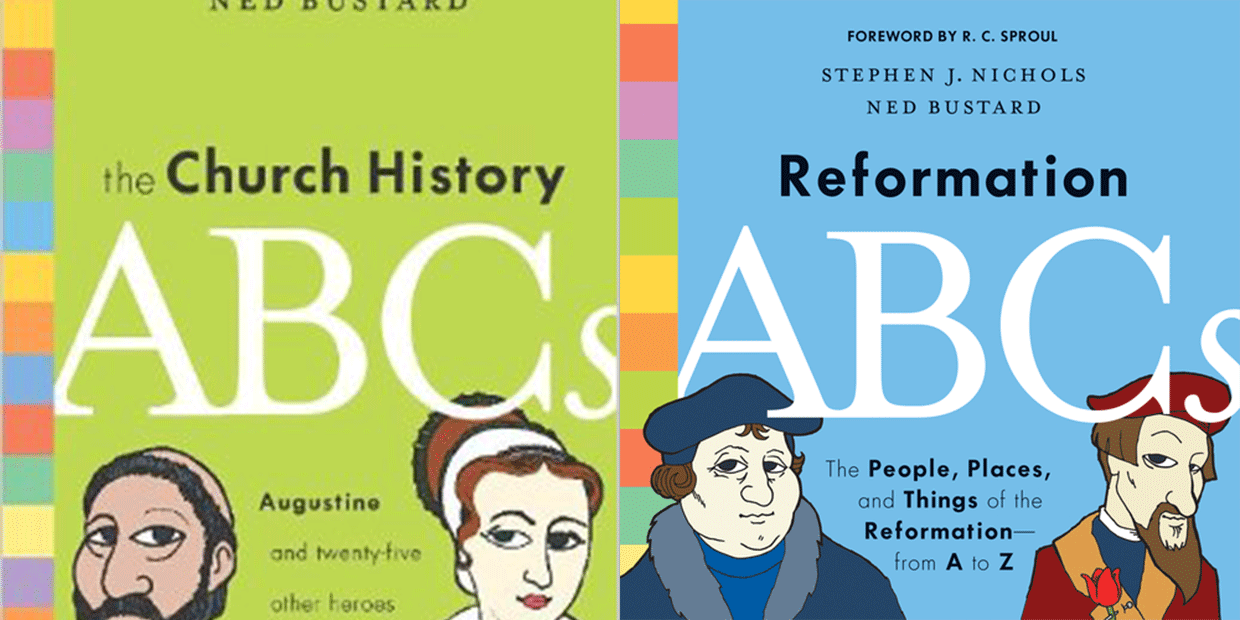 Many of us do have no clue about our spiritual family history. Sure, some of us might remember the day our church first began or we might have photos of the people who lead us to Christ. However, when we start to dig a little deeper into our family history looking at how the gospel made it from the New Testament era to the 21st century, we do not know where to begin. We struggle to recall who Augustine is, why Martin Luther is so valuable, and what William Tyndale did. Unfortunately, there is no ‘Church Ancestry.com, to help us reengage the men and women who propelled the gospel into the modern era.
 Have there ever been so many Christian Books in print as now? I think not. Seemingly every day a new book, Bible study, and or instructional video is released with the seemingly magical ability to make Christendom great again. Read this, and you will be the best parent ever. Try this plan, and your besetting sin will disappear. Watch this…and well…your life will be better than ever before. And all these pleas connect with our hearts because we all want to grow closer to Christ. We all have spiritual battles. But at the end of the day, not all resources are created equal. And given the fact that few of us can devote large portions of our days to reading and studying, we do not want to squander our precious time on bad books. To determine which resources in your Christian bookstore are spiritual fool’s gold and which contain lasting truth, I encourage ask the follow three questions:

 Witkowski Blog