The Faith That Moves Mountains: Do You Have It?

faith-mountainsDo you have faith? Do you have life changing, mountain moving faith?

When Jan Crouch was twelve years old, her pet chicken was run over by a car. She and her friend prayed for the little bird in Jesus name, and the bird was resurrected. The famous teacher and healer, Benny Hinn, told people on October 19, 1999 that he would raise their loved ones from the dead if they would roll their loved ones’ caskets infront to a T.V.

The saga continues. Everywhere we go, we hear that our problems can be solved by having more faith. If we have the faith to move mountains, then we can be certain will we get our dream home, our spouse will return, and we will overcome our cancer. We can do all this and more if we have the mountain moving faith that Jesus talks about in Mark 11:20-25. Jesus told us in Mark 11:23 “Truly, I say to you, whoever says to this mountain, ‘Be taken up and thrown into the sea, and does not doubt in his heart but believes that what he says will come to pass, it will be done for him.” This is an incredible faith. This is a faith we should all long to have. But if we do not have this great faith, this faith that can bring chickens back to life, we must ask, “how do we get it?

But before we answer that question, we must answer another more pressing question. What is our faith in? What are we to believe in? The text tells us in back in verse 22: “Jesus answered them, “Have faith in God.” The object of our faith and the power behind this mountain moving faith is God. It is not us, but God.

Often we misunderstand this fundamental nature of faith. Instead of placing our faith in God and his work on the cross, we place our faith in ourselves. We trust in our ability to manipulate God. We think that great faith equals some sort of mental disposition often expressed through prayer that will force God to work. We trust in our ability to persuade God to give us a new home, an awesome spouse, or a miraculous healing. We view this great faith like the hit-bell game found at state fairs. We grab the black harmer of faith and slam it down on the metal platform sending the little ball flying upwards to the bell. If we do not hit the bell, we swing again and again. We may take a brief break to go to one of the religious conferences held in the main pavilion on positive thinking or prayer in an effort to exercise our faith muscles. Then we come back and start swinging until that metal balls finally zips upward with enough speed to ring the bell for the world to hear. We ultimately believe that if we have enough faith in ourselves to force God to work, he will work.

To put it another way, we keep putting quarter after quarter into the vending machine believing that our efforts will eventually cause the machine to give us an ice, cold Coke. In both instances, the object of our faith is not God. The object of our faith is our ability and our works.

But Christ is not talking about such man centered faith.  He is not talking about raising chickens or about showing revivals in mortuaries. The faith to move mountains is not based upon us and our works but upon Christ.

What does the faith to move mountains truly look like? What does trusting in Christ look like? Those who have the faith to move mountains believe God’s words are true and regularly forgive others.

The whole conversation about faith is set against the back drop of Jesus’ words coming true. Jesus curses a fig tree in Mark 11:14 and Peter remarks that the fig tree is dead in verse 21. The remark about Jesus’ word coming true causes Jesus to launch into a discourse on faith. Jesus is placing mountain moving faith within the context of his word coming true. Jesus is not promising us that we will get everything we selfishly desire (new car, dream home, great health, kind spouse, beautiful kids) if we have enough faith. This is not his point at all. He is saying that if we trust in him, his word will come true.

Given a predisposition to charismatic thought, we tend to think that claiming God’s Word can be still be a name-it and claim-it endeavor. We can claim our mountains and have faith in God that he will throw them into the Sea.

Again this is not what Jesus is telling his disciples. He is speaking hyperbolically. Though there is some debate about which mountain Jesus is referring, the text seems to indicate that he is speaking about the temple mount. He was walking into Jerusalem by way of the Mount of Olives. The temple mount would have clearly been in view. He is saying that the temple could be tossed into the sea if we have faith. Jesus is not speaking literally. Jesus could have tossed the temple mountain into the Sea. He created the world and sustains the world. All of nature obeys him (Col 1:16-18). Every bird, mountain, and star awaits his command. But Jesus never tossed any mountain into any sea or ocean during his lifetime. Jesus is not telling us to command literal mountains, illness, or people by faith.

Jesus is commanding us to trust his Word. He is saying that believing in his Word trumps the sacrificial system. The temple is no longer needed and can be cast into the sea because God reigns and lives. God’s Word comes true.

True faith consist in believing the words of God up to the point where we know they will come true. True faith is the porn addict trusting God for purity and receiving it. True faith is the worry wart trusting God for all her needs and receiving confidence in the character of God. True faith is the liar trusting Christ for the power to speak truth and becoming truthful. Truth faith that moves mountains results in men and women becoming more like Christ.

We can recover from cancer without Christ working miraculously. We can manipulate our spouse into coming home without Christ doing a work in our heart. And, we can get the promotion at work without faith in God’s sovereignty.

But we cannot grow in our faith without Christ. We cannot grow in our love without Christ. We cannot get victory over our pride without Christ. We cannot become new creatures without the help of Christ. True faith is a faith that trust Christ to makes us into his image. True faith is a faith based upon the work of God that is defined by a confidence that God’s Word will come true.

And true faith lacks doubt. The word to doubt in verse 23 meanings to weigh or measure. To doubt means we are still analyzing God’s Word comparing it to Dr. Phil, Buddha, humanism, and the spiritual advice of our coworker who is really into yoga these days. Doubting means we give God a chance, but we are not sure if his word will come true. We are not sure if God really can help us overcome our drug addiction and our poor money management skills. We doubt that God’s Word will come true. We doubt that the power to change, the power to move the mountains in our life rest in Christ. We doubt, we second guess, and we are quick to mix in all kinds of worldly ideas into our quest because we do not trust God.

We are not supposed to doubt. We are supposed to believe. And we believe on the finished work of Christ. The fig tree is dead. Christ died for our sins and is alive. His word has come true. We should believe it without doubting. And when we do, we have all that we ask. “It will be done for him.” Christ will accomplish his word. He will change us. “Therefore I tell you, whatever you ask in prayer, believe that you have received it, and it will be yours”(vs. 24).

He may not remove our cancer, but he will give us the patience to walk through the trial well. God make not change our spouse, but he will grow our love. Christ may not give us more money, but he will grow our contentment in him. He will do the impossible. He will makes us more into his image.

To have the faith that moves mountains is to have the faith that believes God’s Word will comes to pass.

But our faith will not have just a vertical dimension. True faith has a horizontal element; it effects how we interact with our friends and neighbors. Those who have the faith to move mountains are quick to forgive. Jesus says, “And whenever you stand praying, forgive, if you have anything against anyone, so that your Father also who is in heaven may forgive you your trespasses” (vs.25). The presence of the faith that moves mountains is not found in how many Chickens you bring back to life. The faith is evidence by Christ radically changing your life and in your radically choosing to forgive those who sin against you.

If you have the faith to move mountains, you will be quick to forgive others. When we forgive others, we are not saying we have not been hurt. We are not saying that harsh words, that infidelity, that betrayed trust, that stolen money, and dashed hopes do not hurt. We legitimately have been hurt. We have something against the one who has offended us.

Rather, we forgive in spite of the hurt because we desire to be right with God. We forgive because we have been forgiven much and because we desperately want God to continue to forgive us. We forgive because we realize that we (like the people who have sinned against us) our sinners. We realize that we are not morally superior than those who have hurt us. Like our enemies, we daily sin. We daily offend God and others. We daily need forgiveness. Those who have been redeemed understand this reality. They understand that their best thoughts and works apart from Christ are filthily rags. They understand that they are sinners who daily need and experience grace. And because God has forgiven them, they forgive others. They have seen God forgive them and radically change their lives. They know that God must continue to work in their hearts for them to have growth.

Thus, they forgive others because they daily need the grace of God.

Truth faith is not measured by the number of cancer patients we cure. The faith that moves mountains is not measured by our ability to attain money, health, or success. The faith that moves mountains is based upon Christ. This faith is a faith that believes that God’s Word will come true in our life. It is marked by spiritual mountains being moved and by us having forgiveness. This is the faith to move mountains.

Do you have it? Is God’s Word at work in your life and are you forgiving others?
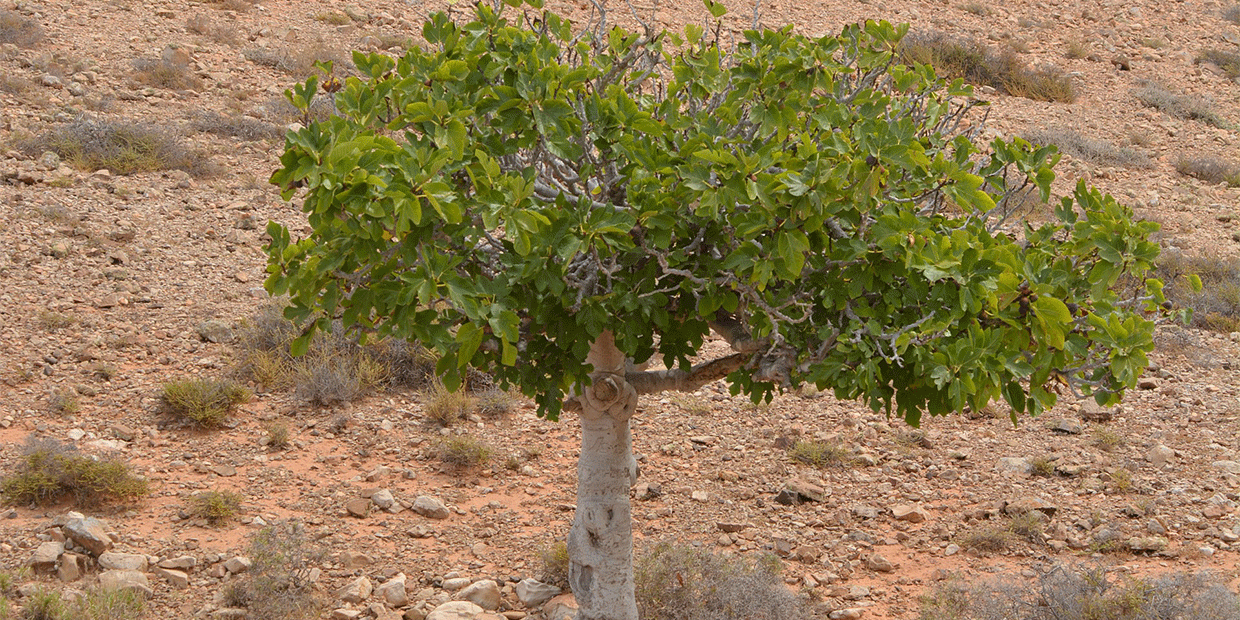
Fig Trees, Empty Faith, And Jesus

fig-treeWhy in the world would Jesus curse a fig tree? The son of God who created all things, who knows all things, and who can do all things curses a fig tree because it did not bear fruit. Some scholar’s believe Jesus was throwing a temper tantrum. The God of the universe was hungry. He walked up to a promising fig tree and then zap it for failing to provide food on command. We can easily imagine Jesus acting like our hungry toddlers who start screaming because they had to wait five minutes for their food.

But this view of narrative recorded in Mark 11:12-21 is not accurate. We know Jesus cannot throw a sinful temper tantrum because he is sinless. I John 1;5 clearly states,

This is the message we have heard from him and proclaim to you, that God is light, and in him is no darkness at all.

Nothing in the Mark 11:12-20 or the parallel passage in Mathew 21 indicate that Jesus is angry at the tree.

Moreover, Jesus had every reason to expect to find fruit on the fig tree. Before a fig tree blooms, it produces small baby fruit. Any fig tree full of leaves could reasonably be expected to contain fruit. Jesus is not anticipating the impossible. Rather, he and his disciples approach the tree with the reasonable expectation of finding fruit. The reality of the tree’s fruitlessness reveals that Jesus is up to something.  He is not denying his deity by going ballistic on an unsuspecting plant.

Jesus curses the fig tree for the benefit of his disciples and for us. He employees the tree because he wants us to worship him in spirit and in truth. He wants us not to trust in the appearance of godliness but in the fruit of godliness.

We read in Mark 11:14 and 21

And he said to it “May no one ever eat fruit from you again.” His disciples heard it…And Peter remembered and said to him, “Rabbi look! The fig tree that your cursed has withered.”

Jesus used the fig tree, a frequent symbol of judgement, to reveal that God will judge all who practice empty worship. Right after Jesus curses the fig tree, he walks into the temple and begins turning over tables. Jesus was displeased with the showy religiosity of the Jews. They Jews were so busy getting ready for and making sacrifices they had ended all prayer and worship in the court of the gentiles. Instead of using the space to worship God, they were using it for profit. Christ condemned them, saying. “Is it not written my house shall be called a house of prayer for all nations? But you have made it a den of robbers” (Mark 11:17). Christ selected the Jews to be his people so that all the nations of the earth would be blessed. He selected them, gave them the law, entrusted them with the sacrificial system so that they could proclaim the judgement and mercy of God to the world. But instead of calling the world to follow the one true God, the Jews were consumed with selfish gain. They were using the things of God to make much of themselves. Like the fig tree, they appeared full of life. Yet they lacked all the fruit of true repentance.

Instead of judging the Romans, Jesus comes back into Jerusalem on the Tuesday after the triumphal entry to condemned the Jews. He comes to condemn the religious people who were offering empty worship to God. Jesus is not interested in the worldly kingdoms around us. He is not primarily concerned with our cultural icons and with our politicians. He is concerned with the people of God. He is concerned with rooting out all who claim Christ without truly worshiping Him.

True faith consists of more than your program attendance. It consists of more than serving through building houses, than singing solos, and than giving large sums of money. True faith consists of loving God with our heart soul mind and strength. True faith consists of hearing and responding to the Word of God by the power of the Holy Spirit. True faith is defined by fruit.

Anyone can impress someone for a brief amount of time. We can play the church game. We can do all kinds of things to appear godly without worshiping God. We can go to Bible Drill and memorize sixty plus verses without obeying the Scriptures. We can volunteer to bring meals to the sick and not love Jesus. We can help serve in the nursery and not love our neighbors. We can offer to sing a solo and be consumed with self-worship. We can even make a rather noticeable donation to our local church and be driven by pride. We can do all these good things and more to impresses our parents so that we can look forward to a great Christmas, to win over our girlfriend, to earn favor with God so that our kids get into a good college, to earn a contract from a fellow church member, or to get the little extra push for our upcoming city-council election. We can all do big, nice and flashy things for God without every repenting of our sins. We can appear to be godly for a time without every truly worshiping Christ.

Do not present this empty worship to God. He is not impressed. He curses all who practice such religion. He cursed the fig tree, he turned over the money tables, and he will condemn all who think that can please God with empty worship. God is not a man like us. He cannot be bought or manipulated.

We should offer God true worship. We should surrender our whole life too him. We should memorize, give and serve. But when God and others examine our lives they need to find more than the showy leaves. They should find hearts that daily grow in their understanding of the Word. They should find children who once lied all the time reguarlly telling the truth. They should find the unkind daily becoming more hospitable. They should find that the prideful are daily becoming humble. All who worship God should be fully affected by the gospel. True worship makes much of God and radically changes us.

If we offer God empty worship, we are cursed. God is never fooled. Thankfully, we still have time. Our children still have time. Christ became the curse for us (Gal. 3:13). If we will repent our sin and trust in him for our salvation, he will redeem us. He will die in our place. The judge is also the redeemer. There is great hope for all who lived cursed lives.

What about you? Is your empty worship?

Our Hope When Life Feels Out Of Control

hope-controlDoes your life feel out of control?

The bases are loaded with two outs and the Umpire yells strike three as your best hitter watches a fastball race across home plate. Though you would have loved to win the game on a walk off hit, you are ok heading into the bottom of the sixth inning. The scoreboard reads five to one. The other team has not gotten a hit in the last three innings. All you need is three more outs and then you are off to trophy time, pictures, and a first-place pizza party.

But then the unthinkable happens. The first two batters walk. A ground ball goes through the legs of the second baseman. Then, there is a home run. The score reads five to five. Then there is another walk. Then the runner breaks for second and the catcher throws the ball into center-field. When the dust settles, the runner has snuck across home plate. The joy that you could almost taste has melted into thin air, leaving only tears and smashed dreams behind. Life feels out of control.

The birds our chirping. You skip the donuts in the break room on Friday morning, bragging to our friend about how you just knocked off ten seconds from your run this morning. You check your email and discover you have been invited to an emergency meeting. You knock on your boss’s door. He tells you to come in. And after a five minute spiel about how much he appreciates you and your hard work, he announces that you have been lay off. He pats you on the back and walks you to your desk were security is waiting to usher you out to your car. When you get to your car, your phone rings. And before you can say a word, your spouse informs you that the water line broke and the basement is flooded. Life feels out of control.

Or perhaps you are like me. You go home after a long, grueling day of hospital visits and crunching numbers, relieved that your finally have every VBS receipt accounted for. You then sit down to eat few pieces of microwaved pizza while your wife heads off to bed because she is feeling. As Netflix plays in the background, you clean up the kitchen, set up the new trash can, and prepare for bed. Then you wife starts to have intense pain throughout her body. You rush her to the hospital, expecting to come home a few hours later. But before you can blink, you wife has gone into premature labor. Your precious little son is born at 9:08AM and then dies in your arms at 2:49PM. Life feels out of control.

When we suffer defeat, experience rejection, and taste evil where do we go? Where do we find hope? We find hope in the character and person of Christ. When life feels out of control we should trust Jesus because he is always in control.

prpbooksimagescoversmd9780875526072Jesus enters Jerusalem in Mark 11:1-11 riding on a random donkey. He begins the passion week, the most monumental week in human history by sending off his disciples to get a donkey.

Why would Jesus do such an odd thing before he dies? He sends his disciples and prepares them to respond to the owners’ questions to demonstrate that he is in control of what is about to happen. Jesus is in control of the worst event in all of human history.

Often when suffering occurs, Christians in American tend to assume that something has gone horribly wrong. We tend to think that God has fallen asleep, we tend to think that God’s has forgotten us, and often assume that God’s plan for our life was thwarted. Sure, God will spin things back around for our good. But he never intended for us to lose our game, job, or child. That was not God’s plan. Things seem out of control because they are.

By sending his disciples to pick up a donkey, Jesus is seeking to tackle this mindset head on. Jesus knows that his disciples will flee at his arrest and melt into a bunch of cowards after his death. He knows that the ground will shake, that the curtain will turn into two, and that the dead will come back to life when he dies. Jesus knows the sorrow and the pain that he will suffer on the cross. Jesus knows all these things, because he has ordained and planned his death and resurrection.

Even the donkey is the fulfillment of of Zechariah 9:9 which proclaims

Rejoice greatly, O daughter of Zion!/Shout aloud, O daughter of Jerusalem!/ Behold, your king is coming to you;/  righteous and having salvation is he,/ humble and mounted on a donkey,/ on a colt, the foal of a donkey.

Jesus is fully in control of all the events leading up to the cross. Nothing happens outside of his foreordained plan including the cross. The cross was God’s plan from before the world began (Rev. 13:8). And the very worship of Jesus is centered on his suffering. “Worthy is the Lamb who was slain” (Rev. 5:9-12).

And if God is in control in the midst of his death- in the midst of the very worst of all time, we can trust him when our day feels out of control. We can be confident that our suffering is part of God’s plan. Paul David Tripp summed up this teaching nicely when he said,

Our suffering is not a gap in God’s love as if the Devil crept in while the Lord’s head was turned…Suffering is a sign that we are in the family of Christ and the army of the kingdom. We suffer because we carry his name.

And because God knows where to find a Donkey, we know he knows how to deliver us from our days that feel out of control. We have great hope because Jesus is alive. He rode the donkey to his death. But he did not stay dead. He rose from the grave. And all who follow Jesus will rise. They will be with Christ in heaven. We may never win a championship, we may never get our job back, and we may never hug our child again in this life. God’s power does not mean we get every good thing we desire. God’s power and control ensure we get Jesus, the best gift of all and the best comfort and strength of all. No storm can separate us from Jesus because he reigns.

Again, Paul David Tripp’s words prove timely on this subject:

Real comfort is more than thinking the right things in times of trouble. It involves having my identity rooted in something deeper than my relationships, possessions, achievements, wealth, health, or my ability to figure it all out. Real comfort is found when I understand that I am held in the hollow of the hand of the One who created and rules all things. The most valuable thing in my life is God’s love, a love that no one can take away. When my identity is rooted in him, the storms of trouble will not blow me away.

God was in control when he sent the disciples to find a donkey. He was in control when he sent his son to die on the cross. He is in control today and your life spins out of control. Will you trust him?